
Why is a Reliable Standby Diesel Genset Crucial for Business Continuity?
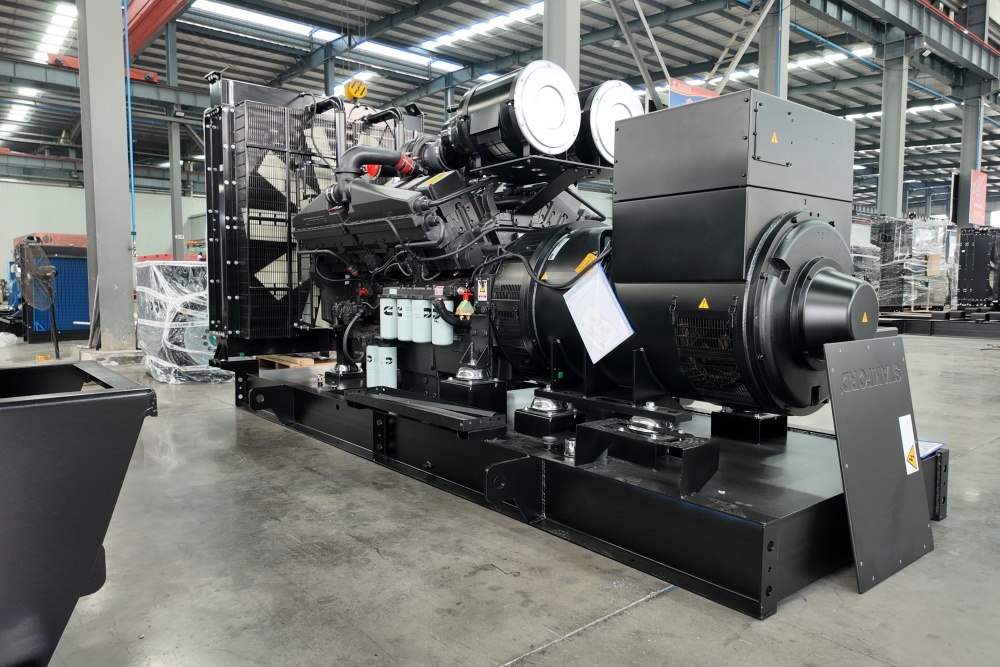
Power failures trigger significant economic damage, as highlighted in the 2023 IEEE industry report where 78% of facilities experienced unexpected downtime costing over $5,000 per minute. A diesel genset provides the necessary backup to maintain voltage stability for sensitive electronics. According to data from the Uptime Institute, 62% of outages are caused by utility grid issues rather than onsite hardware failures. Implementing a properly maintained system allows an industrial plant to reach full load within 10 seconds of grid collapse, preventing production restarts that can cost upwards of $25,000 per event.
Industry standards for power reliability suggest that reliance on a single utility source creates an unacceptable risk profile. Utilities face challenges maintaining consistent frequency in 2024, as the integration of intermittent renewables has increased grid instability by 15% compared to the 2018 baseline.
Maintenance logs indicate that 85% of startup failures in standby power systems are directly linked to fuel degradation rather than engine mechanical wear. Testing a diesel genset under a 30% load weekly ensures the fuel injection system remains clear of contaminants.
Facilities operating with high-density server racks or automated assembly lines see a 90% reduction in data loss incidents after commissioning a secondary power source. When utility voltages drop below 90% of nominal levels for more than 16 milliseconds, internal surge protection devices often trigger emergency shutdowns.
| Operational Component | Standard Reliability Metric |
| Automatic Transfer Switch | <50ms response time |
| Fuel Storage Capacity | 48-hour continuous run |
| Engine Cooling System | -40°C to +50°C rating |
Mechanical engineers observe that the high compression ratios in modern engines deliver a thermal efficiency range of 35% to 45%. This efficiency translates to lower fuel consumption per kilowatt-hour produced, which stabilizes operating budgets when the system must run for extended periods during grid maintenance.
Lubrication oil analysis conducted on 1,200 engine samples shows that systems running monthly self-tests maintain 22% longer bearing life. Regular testing cycle frequency correlates directly with the probability of engine ignition success during an actual emergency.
Data centers utilize these units to bypass the limitations of Uninterruptible Power Supplies, which typically provide only 10 to 30 minutes of runtime. A diesel genset extends this buffer indefinitely provided that fuel deliveries continue. The 2022 survey of 500 manufacturing plants revealed that 45% of managers prioritize immediate startup capability over long-term fuel efficiency.
Electrical distribution boards are designed to handle transient spikes during the transfer phase between the grid and the generator. Voltage regulators integrated into the unit keep harmonic distortion below 5%, protecting PLCs and sensitive motor controllers from being fried by dirty electricity.
Integrating an exhaust gas purification system allows an engine to comply with local environmental regulations while operating in densely populated zones. These systems often include catalytic converters that reduce particulate matter emissions by 80% during the startup sequence.
Load bank testing annually proves that the engine can sustain 110% of its rated capacity for one hour. This test identifies potential weak points in the cooling fan, alternator windings, or the electronic governor before an actual power interruption demands performance.
Engine longevity depends on the cooling system's ability to dissipate the heat generated during high-load operations. Coolant heaters keep the engine block at 30°C, ensuring that even in sub-zero winter months, the internal parts move freely the moment the starter engages.
Electrical load management software prioritizes non-essential circuits to shut down if the generator load reaches 95% of capacity. This smart shedding keeps critical systems like cooling pumps or network servers powered without requiring a massive, oversized engine investment.
Analyzing 10 years of site operational data confirms that 70% of long-term maintenance costs are avoided by using synthetic oils and premium filtration media. These upgrades prevent internal corrosion that occurs when a unit remains stationary for months at a time.
Building automation systems often link the monitoring panel of the power unit directly to the IT department. Alerts regarding fuel levels, battery voltage, or coolant temperature reach administrators in less than 5 seconds, allowing for proactive adjustments before a failure occurs.
Diesel fuel maintains its shelf life for approximately 12 months before requiring additives to prevent microbial growth. Many facilities now install automatic fuel polishing systems that circulate and filter the tank content weekly to ensure the supply remains within ISO 4406 standards.
Selecting the appropriate power rating requires calculating the starting current (LRA) of the largest motor in the building. A motor often requires 5 to 7 times its running current to start, which can lead to voltage collapse if the generator is sized strictly for running amperage.
Take the next step with Lake Norman Soccer.
Join 250+ players in the region's most established competitive youth soccer pipeline, guided by 17 licensed UEFA and USSF coaches.